Becoming Independent Blog
Becoming Independent’s blog shares stories, updates, and insights that highlight the impact of our programs and the people we serve. It’s a space to celebrate achievements, share knowledge, and stay connected to our community.
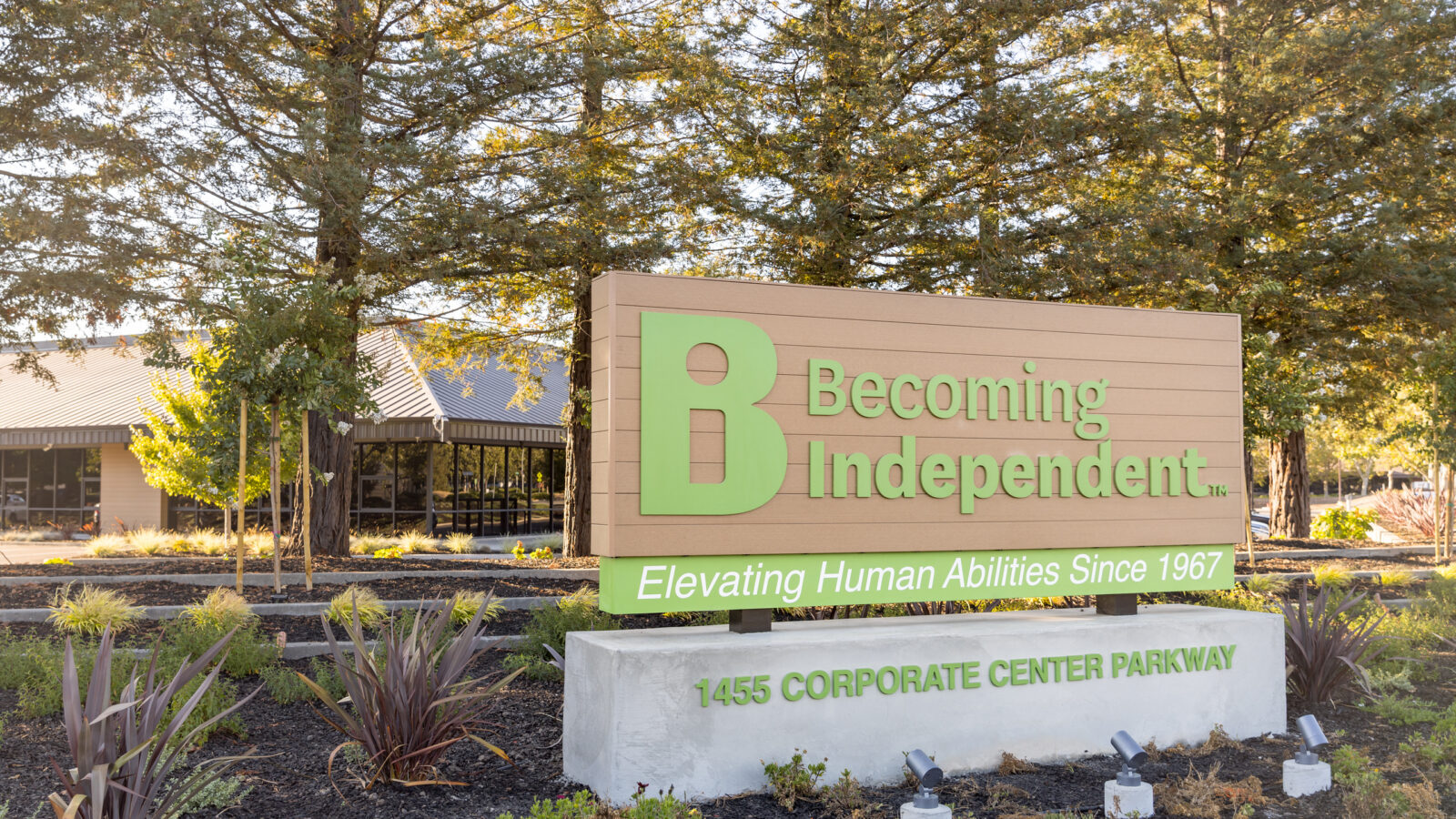
Becoming Independent Named Top Nonprofit Workplace in 2026
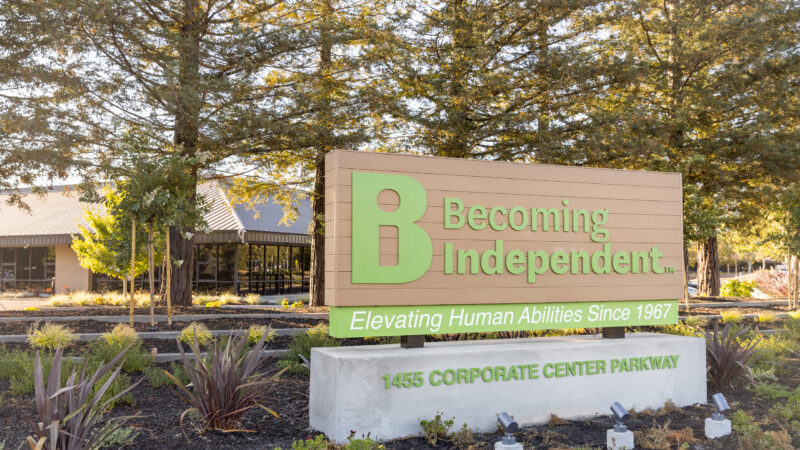
We’re excited to share some big news - Becoming Independent has been named No. 17 on The NonProfit Times’ 2026 Best Nonprofits To Work For list!
This national recognition is a meaningful milestone for our organization. It reflects the strength of our workplace culture and, most importantly, the incredible dedication of our team. Every day, our staff show up with commitment, compassion, and a shared belief in our mission - helping to create an environment rooted in dignity, belonging, and purpose.
We’re especially honored to be the only nonprofit in Sonoma County recognized on this year’s list. In a region with a vibrant and competitive nonprofit community, this distinction highlights the care and intention that go into building a workplace where people feel valued and supported.
At Becoming Independent, we believe that a strong internal culture directly impacts the quality of support we provide. When our team feels empowered, connected, and inspired, it strengthens our ability to serve individuals with intellectual and developmental disabilities in living meaningful, independent lives.
Our recognition was recently featured by NBC Bay Area, highlighting the impact of our work and the people behind it. Watch the feature HERE.
Best Places to Work
What Becoming Independent's Latest "Best Places to Work" Honor Means
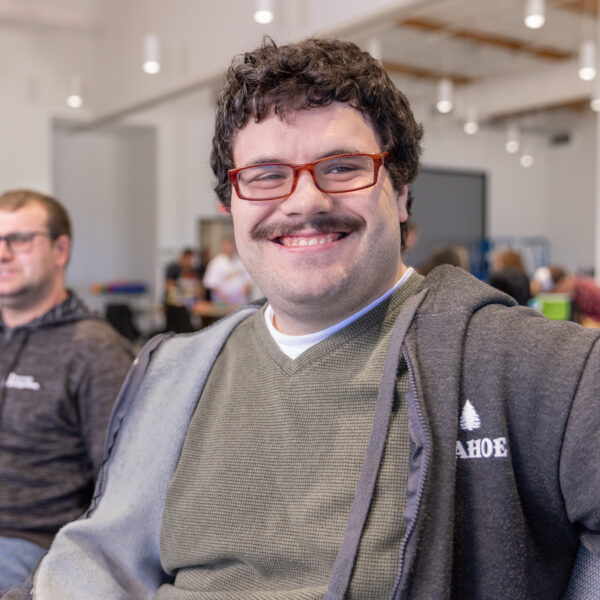
Navigating the IDD System: A Guide for Families
Not sure how to access services for a loved one with IDD? This guide walks North Bay families through the regional center process; from determining eligibility to receiving services.
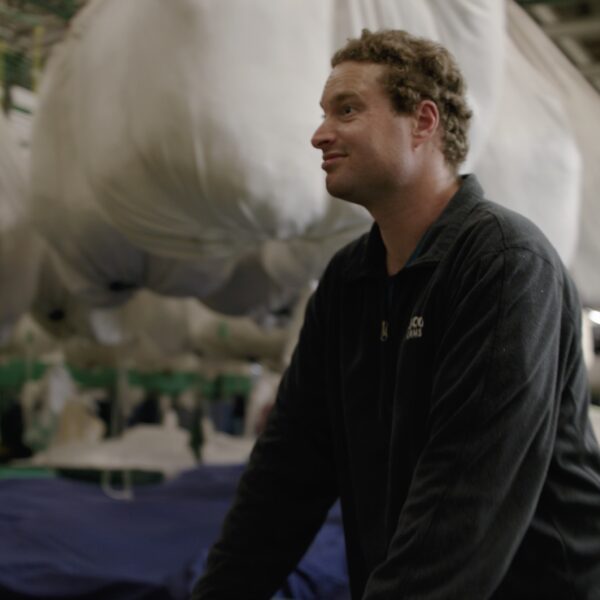
Inclusive Hiring Drives Real Business Results for Bay Area Employers
Companies that partner with BI's employment program gain productivity gains, lower turnover and access to talented employees employers typically overlook.
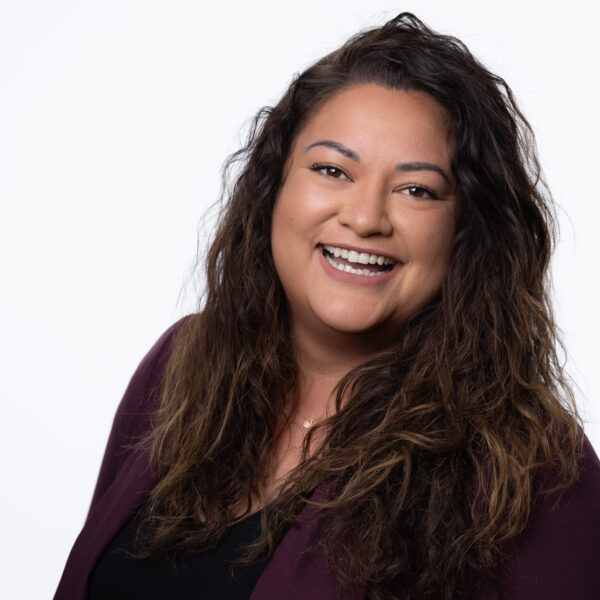
Meet a Difference Maker: Kaela Talafili's Journey to Building Belonging
Kaela Talafili rose from Direct Support Professional to lead Becoming Independent’s Education & Employment division. Her story shows the professional growth and achievements possible at BI.
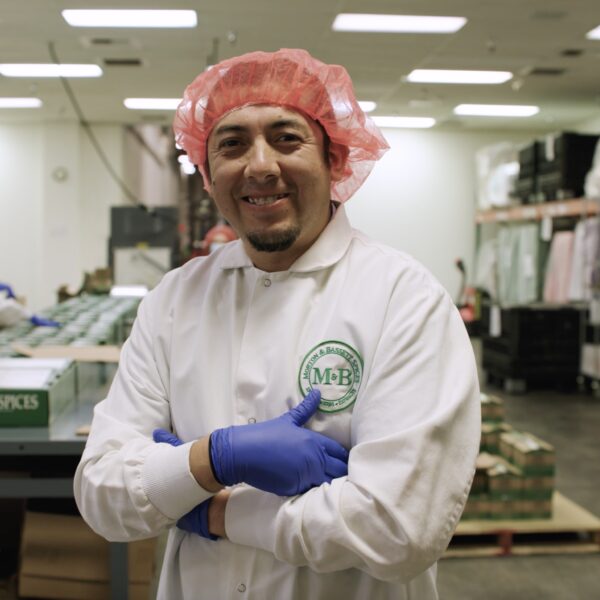
More Than a Paycheck
How Employment Changes Lives
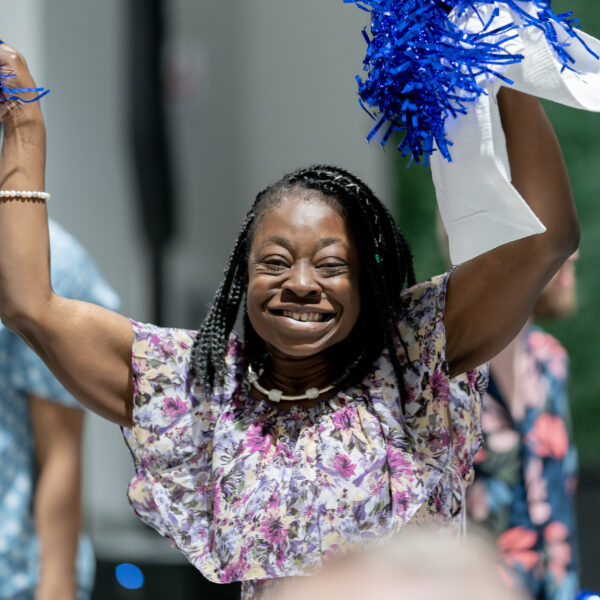
Independence Isn't a Holiday. For Us, It's Every Day.
While the nation celebrated independence on the Fourth of July, Becoming Independent works every day to make it possible.
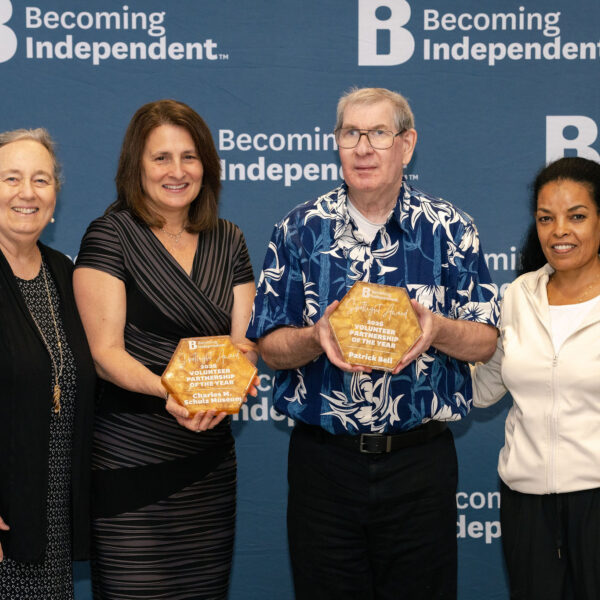
Patrick Bell Is the Heart of the Schulz Museum
Meet BI's 2026 Volunteer Partner of the Year, Patrick Bell. For two decades, Patrick has shown up for the Charles M. Schulz Museum, and the museum has shown up for him.
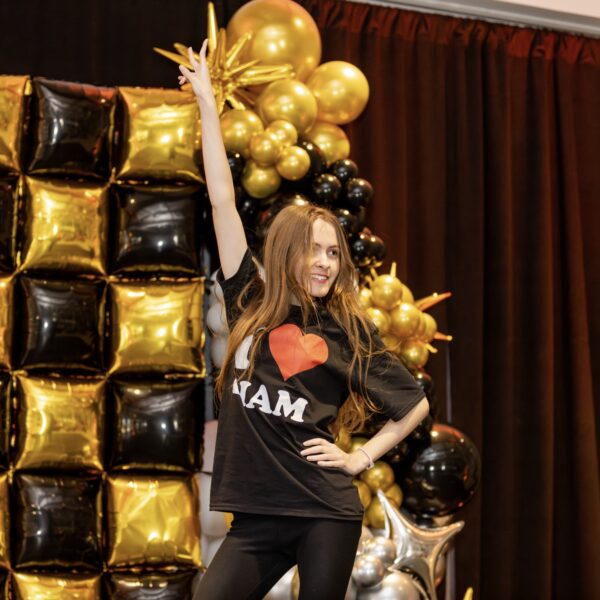
Talent Show
BI Talent Show Showcased 20 Unique Performances
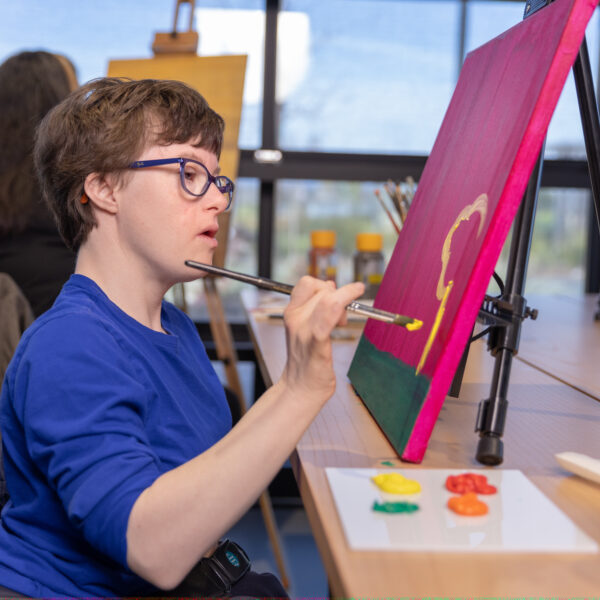
Professional Art Program
Local Bay Area Artists With Perspective Make Their Mark
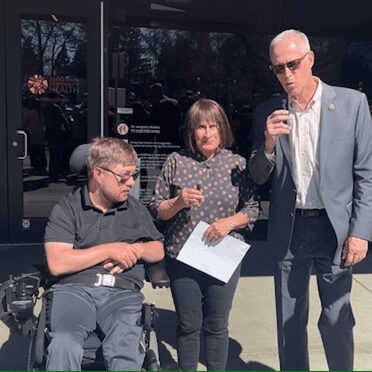
Close to Home: A quiet crisis for disabled adults
Close to Home: A quiet crisis for disabled adults
Spotlight Awards
Celebrating the incredible people and partners from the 2026 Spotlight Awards
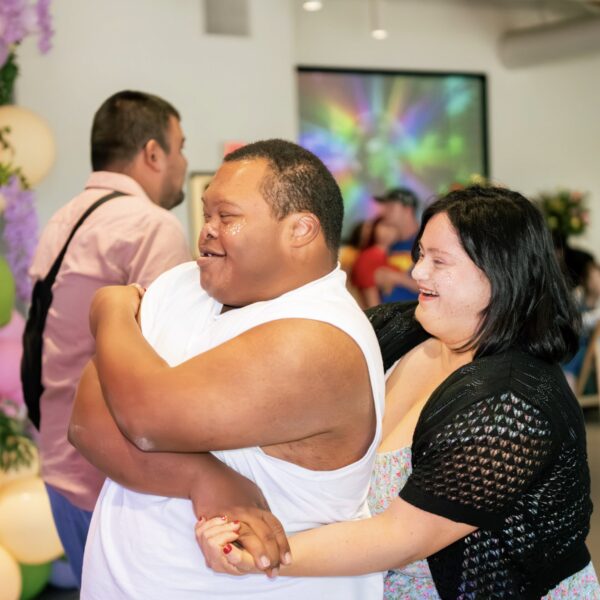
Spring Fling
Creating Spaces Where Everyone Belongs
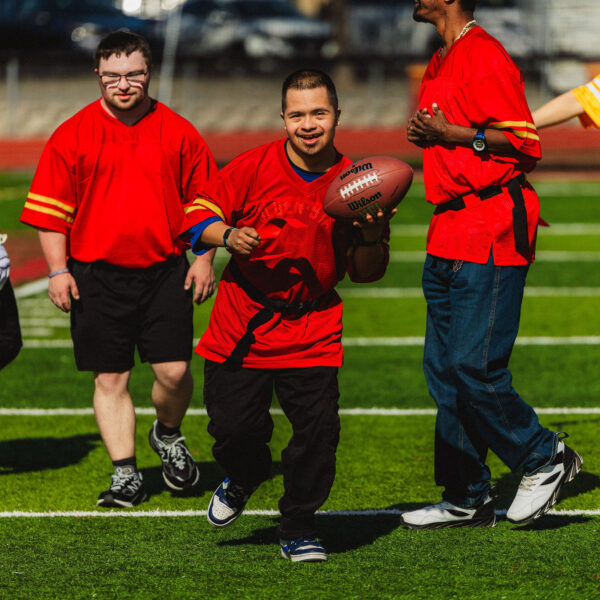
BI Super Bowl
Kicking Off Super Bowl Sunday with Community and Inclusion
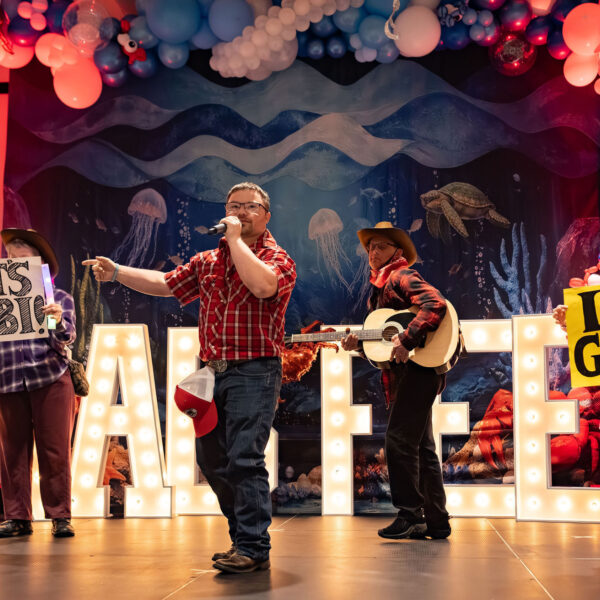
Crab Feed
Cracking Into Community: A Night to Remember at Our Crab Feed Fundraiser
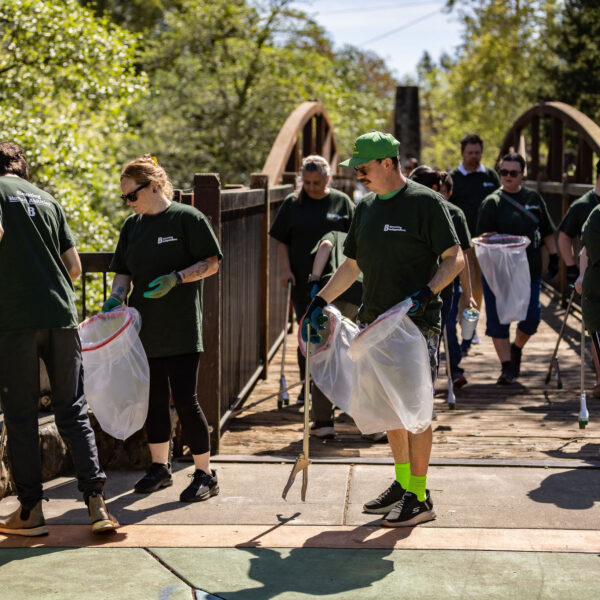
Go Green
Going Green, Together: Celebrating Sustainability at Our Go Green Event
Forty Under 40
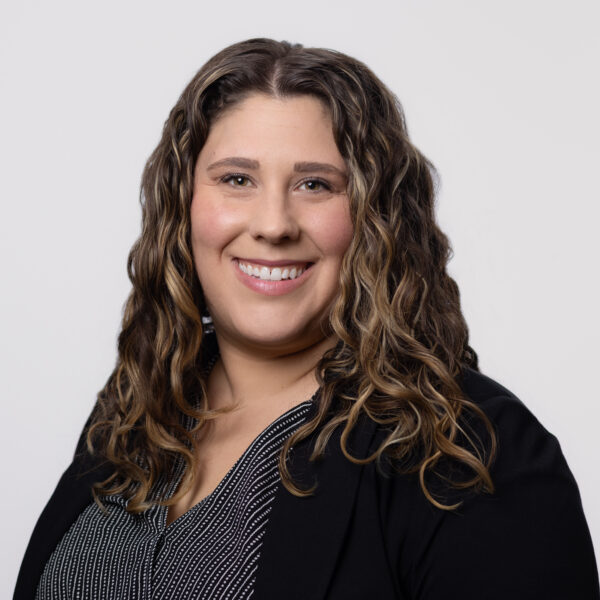
Celebrating Leadership: Stephanie Rodriguez Honored as Forty Under 40
Bohemian Best Nonprofit in Sonoma County
Celebrating Another Year as Sonoma County’s Best Nonprofit
